
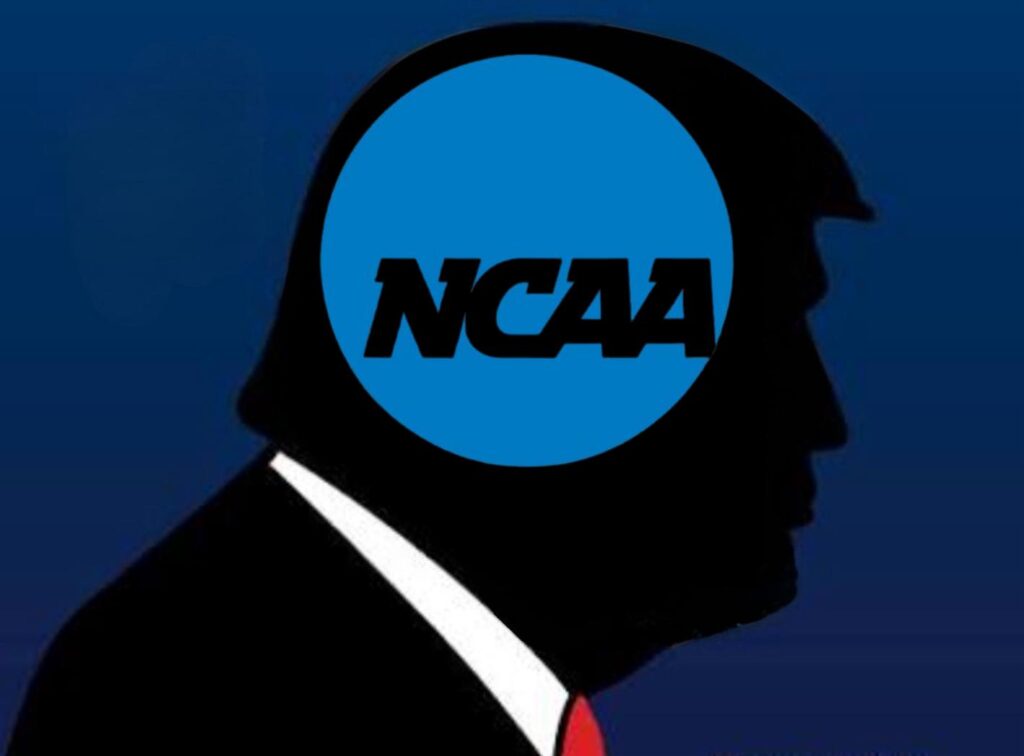
There’s a certain irony in watching power try to regulate freedom, especially when that freedom is already under constant negotiation. The latest discourse surrounding and the idea of restricting college athlete transfers isn’t just about sports. It’s about control, economics, and who gets to move freely in a system that profits from movement itself.
Let’s call it what it is: the transfer portal is the closest thing college athletes have ever had to agency. For decades, institutions operated like closed ecosystems, coaches could leave overnight for bigger contracts, universities could cut programs without hesitation, yet players were expected to stay loyal to a system that rarely returned that loyalty. The modern athlete disrupted that imbalance. And now, predictably, the system is pushing back.
The argument for restricting transfers is often wrapped in the language of “stability” and “competitive integrity.” But beneath that polished rhetoric sits a more uncomfortable truth: instability only becomes a problem when it benefits the athlete more than the institution. When coaches hop programs, it’s ambition. When players do it, suddenly it’s chaos.
What makes this moment particularly fascinating is the collision of politics and amateur athletics. The involvement, or even suggestion of involvement, from figures like Trump reframes the issue beyond NCAA policy. It becomes ideological. It becomes symbolic. It becomes another arena where power structures attempt to redefine freedom in ways that serve their interests.
And yet, the athlete today is not the athlete of yesterday.
This generation understands leverage. They understand branding, mobility, and the economics of their own value. NIL deals didn’t just change compensation, they changed mindset. The transfer portal didn’t just open doors, it exposed the architecture of a system built to keep those doors closed.
Trying to reverse that now feels less like reform and more like regression.
Because here’s the reality: restricting transfers won’t restore balance, it will simply reinforce old hierarchies under a new justification. It will remind athletes that even in an era of progress, their autonomy remains conditional.
And that’s the tension at the heart of it all.
College sports has always thrived on the illusion of tradition, but tradition has never paid the bills for the players generating billions. Movement, real, unrestricted movement, isn’t the threat. It’s the correction.
So the question isn’t whether athletes should be allowed to transfer freely.
The question is why; after finally gaining that freedom, there’s such urgency to take it away.